How to Learn (or Teach) a Language Faster Than Anyone Expects
The Method Nobody Talks About
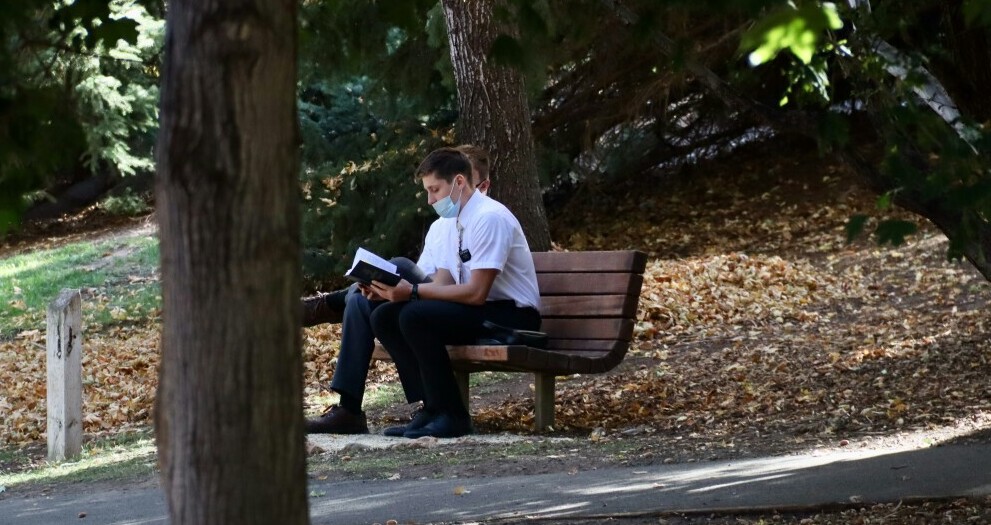
Here’s something that has always fascinated me: Mormon missionaries are expected to become conversational in a new language in six to eight weeks.
Six to eight weeks. For languages as complex as Mandarin, Korean, Japanese, or Arabic.
I’ve spent 20 years teaching English in Korea. I know how hard language acquisition actually is. So when I first heard this, my reaction was the same as yours probably is right now: “That’s impossible.”
Except it’s not. And once I understood — really understood — why it works, it completely changed how I teach.
💡 The Core Insight:
Missionaries don’t become fluent because they’re smarter or more motivated. They become fluent because the method forces them to USE the language immediately, in real situations, with real consequences.
That principle — use it before you feel ready — is the single most underused idea in language teaching. And it’s exactly what your students need.
What the Missionary Training Center Actually Does
At the Missionary Training Center (MTC) in Provo, Utah, missionaries spend their days in a structured immersion environment. But it’s not immersion in the way most people think.
It’s not “watch movies in the target language” immersion. It’s not “listen to podcasts” immersion. It’s “you have to talk to someone right now and figure it out” immersion.
The method rests on a few key principles:
- Speak from day one — mistakes are expected and accepted
- Use the language for real purposes, not practice exercises
- Teach others what you just learned — explaining reinforces acquisition
- Emotional stakes are high — that pressure accelerates retention
- Vocabulary is learned in context, not from lists
Sound familiar? It should. These are the same principles that language acquisition researchers have been writing about for decades. The missionaries just happen to apply them more aggressively than most classrooms do.
📦 Language Acquisition Books Worth Reading
If you want to go deep on the science behind why this method works, these books on language acquisition and immersion learning will change how you think about teaching.
The Science Behind It (In Plain English)
Stephen Krashen, one of the most influential linguists of the last century, argued that we acquire language in one way: by understanding messages in that language. He called this “comprehensible input.”
But his colleague Merrill Swain pushed back. Her research with French immersion students in Canada showed something important: students who only received input — who listened and read but rarely had to produce language — plateaued. They understood well but couldn’t speak fluently.
What was missing? “Pushed output” — being forced to communicate in ways that stretched their ability. When students had to produce language to accomplish something real, their fluency jumped.
🔑 The Key Principle for ESL Teachers:
Input gets students to understanding. Output gets them to fluency. Most classrooms focus 80% on input. Flip that ratio and watch what happens.
The missionary method is essentially a forced output machine. You have to talk. You have to communicate. The lesson plan doesn’t matter if you can’t make yourself understood.
📦 Fluency & Language Learning Books
Books like Benny Lewis’s ‘Fluent in 3 Months’ and similar titles explain the speak-from-day-one philosophy in practical, accessible terms. Great for sharing with motivated students.
How I Applied It in My ESL Classroom
I didn’t have a Missionary Training Center. I had a classroom in Korea with students who were terrified of making mistakes in English.
So I created situations where they — literally — forgot they were speaking English.
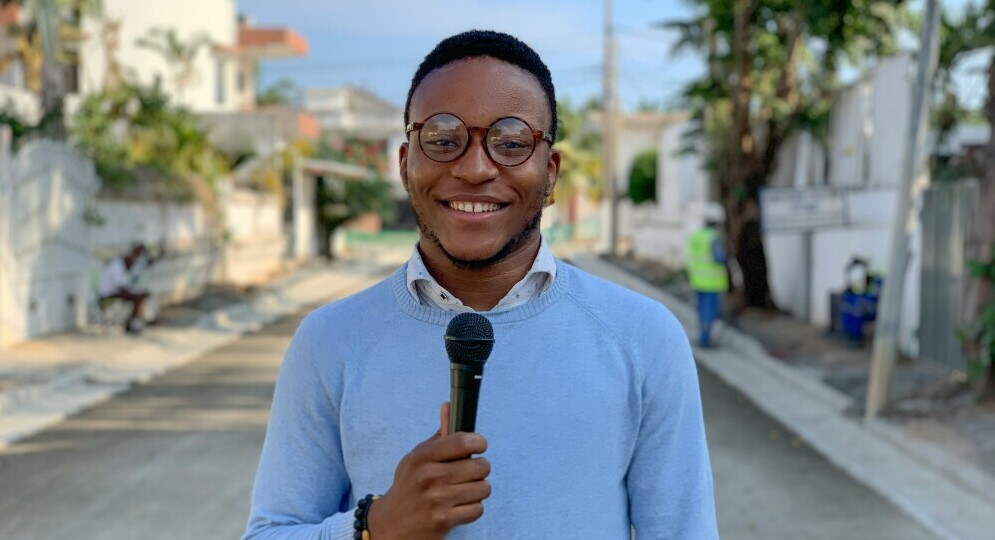
One of my most successful was what I call the News Report Activity. Here’s how it works:
- Students split into groups and choose a section of the newspaper: Sports, Politics, Business, International, Local
- Each student selects a news story and prepares to present it live, news anchor style
- The class becomes a live TV news broadcast — complete with an anchor desk, reporters, and audience questions
- For lower-level classes, students can translate from Korean news sources — still forces real language production
- Optional: record the broadcast so students can self-evaluate and identify five things to improve
What happens is remarkable. Students who would barely speak in a standard lesson are suddenly “on air.” They’re not thinking about grammar rules. They’re thinking about their story, their delivery, their audience.
📺 Try It Yourself:
I’ve written the full News Report Activity with instructions, tips for different levels, and suggestions for follow-up discussion. It’s completely free on my site.
👉 News Report: An Engaging ESL Activity →

How to Apply the Missionary Method in Your Classroom
You don’t need to run a full news broadcast. The principle is simple: create situations where students must use English to accomplish something real. Here are five ways to do it:
1. Give Them a Real Audience
Students speak better when someone other than the teacher is listening. Pair groups, run presentations to the class, or record a video. The performance pressure activates something that textbook exercises never do.
2. Make the Task the Focus, Not the Language
In the news report class, students focus on their story — not on whether they’re using the present perfect correctly. When language becomes the vehicle rather than the destination, acquisition follows naturally.
3. Use Current, Real Content
Missionaries talk about real things happening in the world around them. Real news, real conversations, real problems. Vocabulary learned in context sticks. Vocabulary learned from lists doesn’t.
4. Let Them Teach Each Other
The fastest way to solidify something you’ve just learned is to explain it to someone else. Build peer teaching into your activities — have students who understand a concept explain it to those who don’t.
5. Remove the Safety Net
This is the hard one. Most classrooms are too safe. Students know they can stay quiet and avoid embarrassment. Take that option away — kindly, supportively, but firmly. Every student speaks in every class.
📦 ESL Activity Books for Communicative Teaching
If you want a library of activities built on these same output-focused principles, these ESL activity and conversation books are packed with ideas you can use tomorrow.

A Note for Students Reading This
If you’re an ESL student trying to improve your English on your own, the missionary method applies directly to you.
Stop waiting until you feel ready to speak. You will never feel ready. The missionaries don’t feel ready either — they speak anyway, and fluency comes through speaking, not before it.
Find opportunities to use English for real purposes: join an online community, find a language partner, comment on English-language videos, write a journal. Whatever you do, produce the language. Don’t just consume it.
📦 English Learning Books for Self-Study Students
For students who want to accelerate their own learning using these principles, these self-study English books focus on practical communication over textbook grammar drilling.
The Bottom Line
Mormon missionaries don’t have a secret. They have a method. And that method is available to any teacher willing to redesign their classroom around one simple idea:
🎯 The One Idea:
Students don’t learn language by studying it. They learn it by using it — in real situations, with real stakes, before they feel ready.
The news report activity is one way to create that situation. The stereotypes discussion is another. Any activity that forces real communication, that makes language the tool rather than the subject, is applying this method.
Your students are capable of more than they think. Give them a situation that demands it, and they’ll surprise you.
Want more activities that use this approach?
👉 News Report Activity (Free) →